+86-18367343973

By 2026, industry projections expect wood plastic composite (WPC) decking to account for more than a third of new residential deck installations in North America, with capped and coextruded boards driving most of that growth. For architects, contractors, and importers, the question is no longer whether WPC will replace timber. It is which WPC specification will survive the next round of performance, environmental, and cost requirements.
The Performance Demand Curve Is Rewriting WPC Decking Specs
The strongest driver of future trends in wood plastic composite decking is a widening gap between what buyers expect and what standard hollow boards actually deliver.
A decade ago, the typical complaint about WPC decking was cosmetic: fading after two or three summers, surface checking, and stains on the plank face. Today those failures appear in warranty claims, design specifications, and tender documents. Buyers in freeze-thaw climates ask for water absorption limits. Coastal projects ask for salt and UV tolerance. Commercial decks ask for slip resistance and documented fire performance. Standard hollow WPC boards are still sold, but they are moving toward budget work where a 10-year service life is acceptable.
25-30 yrs Typical service life promised for capped coextruded boards
8% per yr Projected growth rate of the capped WPC segment
90% Recycled content in new-generation WPC cores
30-40% Faster deck installation with hidden clip systems
What changed: in 2016 a standard hollow board was a reasonable mid-market choice. By 2026, specifiers write surface hardness, slip coefficient, UV fade tolerance, and freeze-thaw resistance into the tender. Boards that cannot document those numbers are excluded before price is even discussed.
Coextrusion Moves from Premium Option to Baseline Standard
Coextrusion will become the default manufacturing method for WPC decking by 2028 because it solves the two failures owners complain about most: fading and moisture penetration.
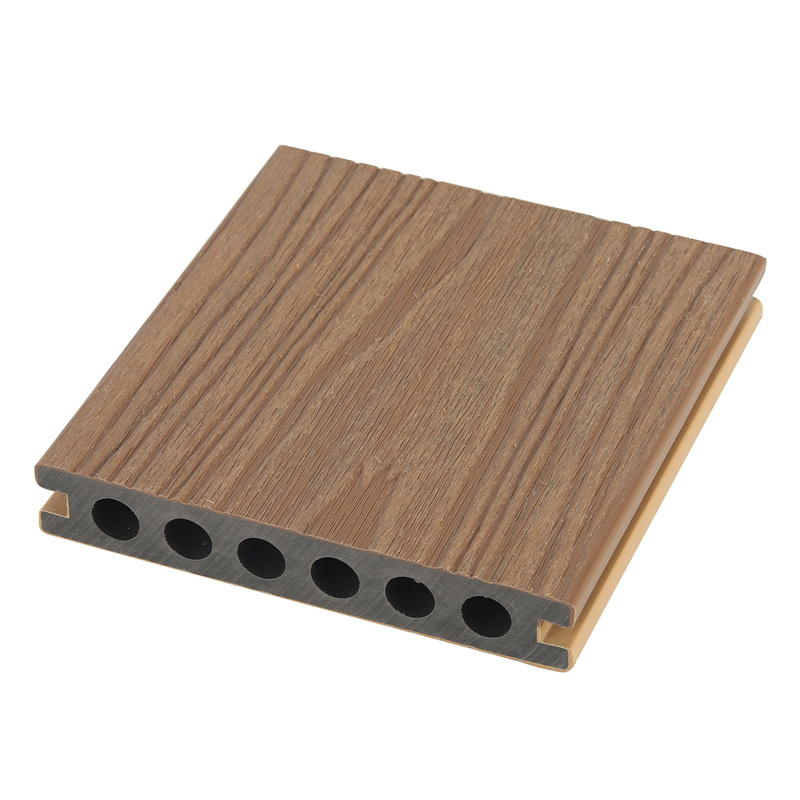
Coextrusion is a two-layer molding process in which a protective polymer capstock is fused to the wood-plastic core in a single pass, producing a board with a dense, UV-stable shell over a recycled core. The cap is the armor; the core carries the load and the dimensional stability.
| Attribute | Hollow WPC | Solid WPC | Coextruded capped WPC |
| Core structure | Open channels | Dense single layer | Dense core plus capstock |
| Typical service life | 10-15 years | 15-20 years | 25-30 years |
| Moisture resistance | Moderate | Good | Excellent |
| UV and fade performance | Visible fade in 3-5 years | Moderate fade | 10 years color retention |
| Warranty range | 10 years | 15-20 years | 25-30 years |
| Price position | Entry | Mid | Premium |
The same capstock logic that protects exterior wall cladding now applies to decking profiles. Suppliers such as Haining Yunxi New Material Technology Co., Ltd. already run coextrusion lines for outdoor panels, and the material discipline transfers directly to deck boards: controlled cap thickness, matched pigments, and consistent bonding between layers. For buyers, the practical test is simple. Ask for the cap thickness on the datasheet, not just the word capped. A closer look at how this technology behaves outdoors is covered in our review of coextrusion technology for high-performance outdoor WPC panels .
Manufacturers that treat decking as part of an exterior material system can pair deck boards with wall and facade panels from the same production line, which keeps grain, color, and expansion behavior consistent across the project. That is why we produce coextruded WPC panels on the same equipment platform as our decking profiles.
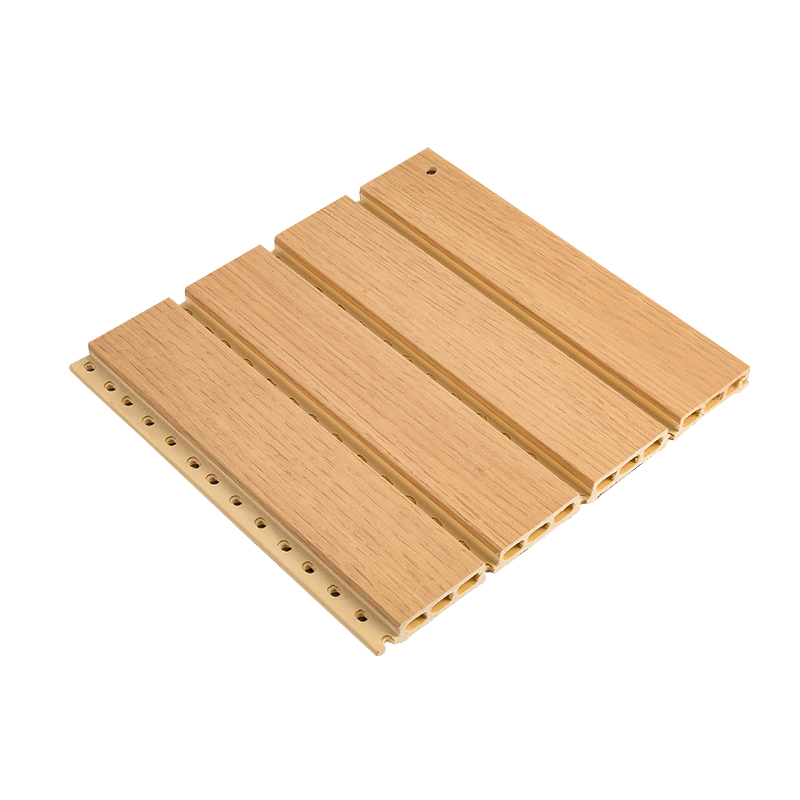
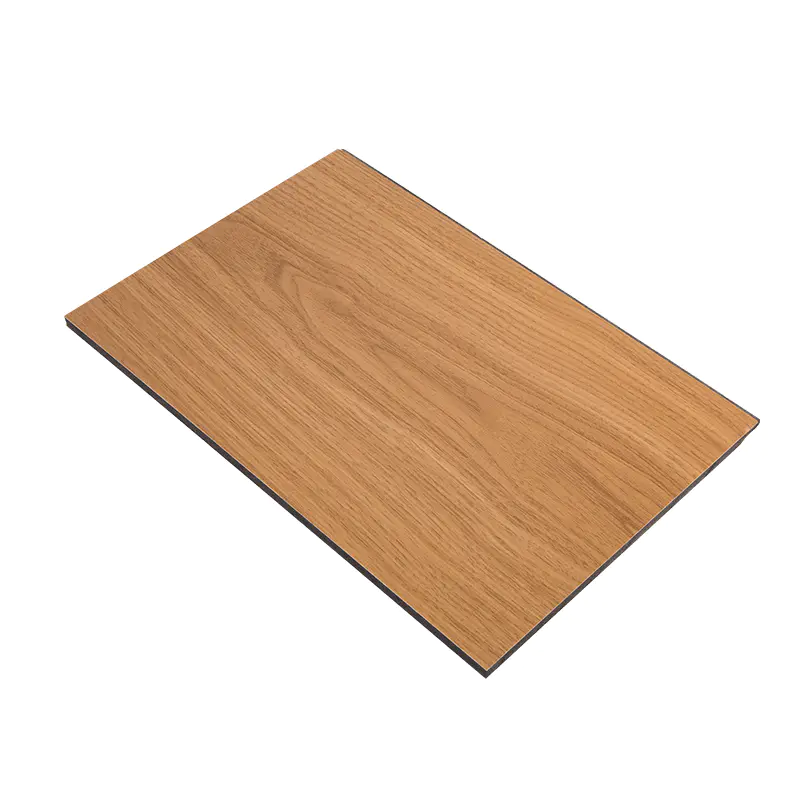 Co-Extrusion Outdoor Composite WPC Panel YXWPC1225-T Manufacturers, Factory Haining Yunxi New Material Technology Co., Ltd Offer Co-Extrusion Outdoor Composite WPC Panel YXWPC1225-T, We Are China Co-Extrusion Outd... View Product →
 Design rule for 2026: if a project expects more than 15 years of service, specify capped coextruded boards. Hollow boards no longer meet the performance baseline in most climate zones.
Material Inputs Are Turning Circular
Recycled content and bio-based binders are turning WPC decking from a wood substitute into one of the most circular large-volume building products on the market.
Recycled-content WPC decking combines reclaimed wood fiber, such as sawdust, milling residue, and post-industrial wood, with recovered polymers including post-consumer polyethylene and polypropylene, to form a core that uses no virgin timber and minimal new plastic.
Today's best cores run at 80-90 percent recycled content by weight, and the share is still climbing. Bamboo fiber is entering composite boards because it grows fast, needs little water, and delivers stiffness close to traditional wood flour. Meanwhile, export markets are tightening emission documentation. The 2026 VOC standards reshaping flooring exports are pushing the entire panel and decking supply chain to publish formaldehyde and VOC data instead of vague eco claims. The manufacturing story behind recycled-content WPC boards explains how these inputs are converted into stable panels.
For buyers who want a single partner for decking and adjacent surfaces, the same recycled-core philosophy is available in our wood plastic boards for walls, ceilings, and outdoor structures.
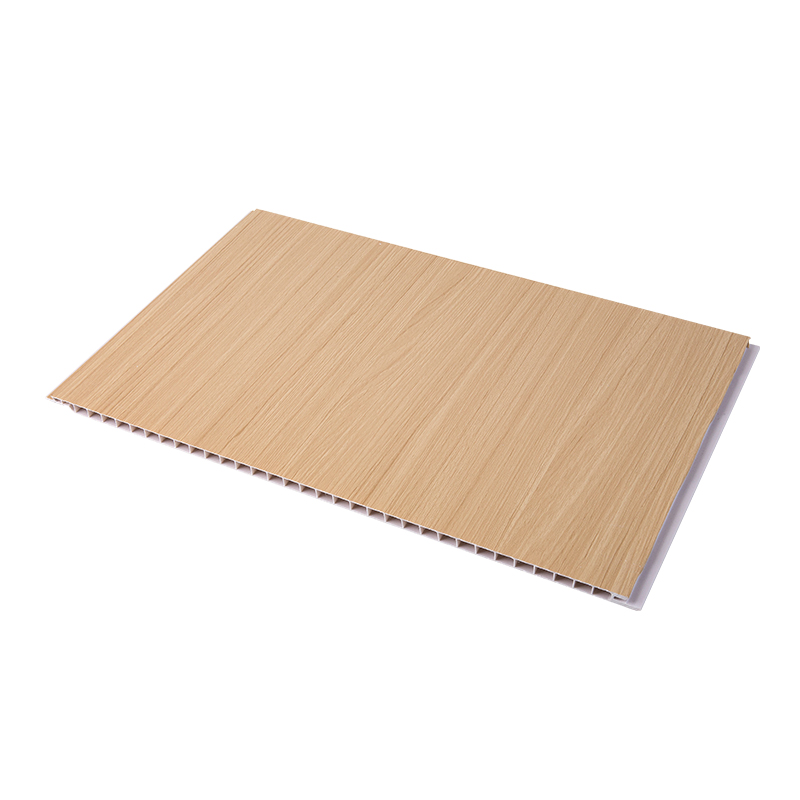
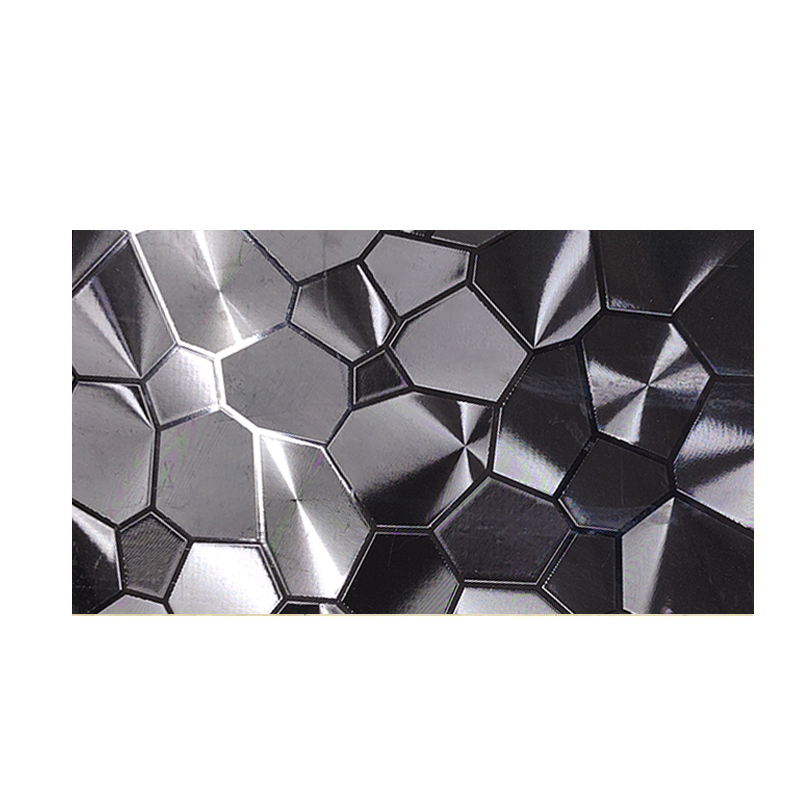 Synthetic Wall Planks - Fade-Proof & Low-Maintenance Interior Cladding Wood Plas Haining Yunxi New Material Technology Co., Ltd Offer Synthetic Wall Planks - Fade-Proof & Low-Maintenance Interior Cladding Wood Plastic ... View Product →
 By the numbers
A single solid WPC deck board with a 90 percent recycled core keeps roughly 2-3 kg of recovered plastic film and 4-5 kg of wood residue out of landfill. On a 200-square-meter deck, that adds up to more than a ton of diverted material.
Decking Becomes Easier to Install, Maintain, and Document
The biggest practical change in WPC decking over the next five years will be installation speed and supply-chain documentation, not board chemistry.
Hidden clip fasteners already cut deck installation labor by roughly 30-40 percent compared with face-screwing, and they eliminate the most visible complaint, fastener staining. Maintenance stays simple: periodic soap-and-water cleaning replaces sanding, sealing, and repainting. Newer boards carry QR codes that link to batch data, cap thickness, pigment lot, and emission test results. For contractors, that documentation turns a material purchase into a defensible warranty position. For developers, it satisfies green-building reporting. Even with the new capped surfaces, the basic outdoor WPC maintenance guidance still applies: keep the deck free of standing water and debris, and inspect clips and end caps once a year.
What stays
- PE and PVC core chemistry remain the cost-effective base for most boards.
- Hollow profiles keep serving entry-level budgets and temporary structures.
- Site preparation principles, slope, drainage, and subframe spacing, still decide long-term performance.
What changes
- Cap thickness becomes a specified line item, typically 0.3-0.5 mm.
- Document traceability moves to QR codes with batch and emission data.
- Hidden fasteners become the default on mid-range and premium lines.
- Decking is paired with composite fencing and railing from the same producer.
Matching perimeter fences and privacy screens from composite fence boards in the same material family keeps grain direction, color, and thermal movement consistent across the whole outdoor space.
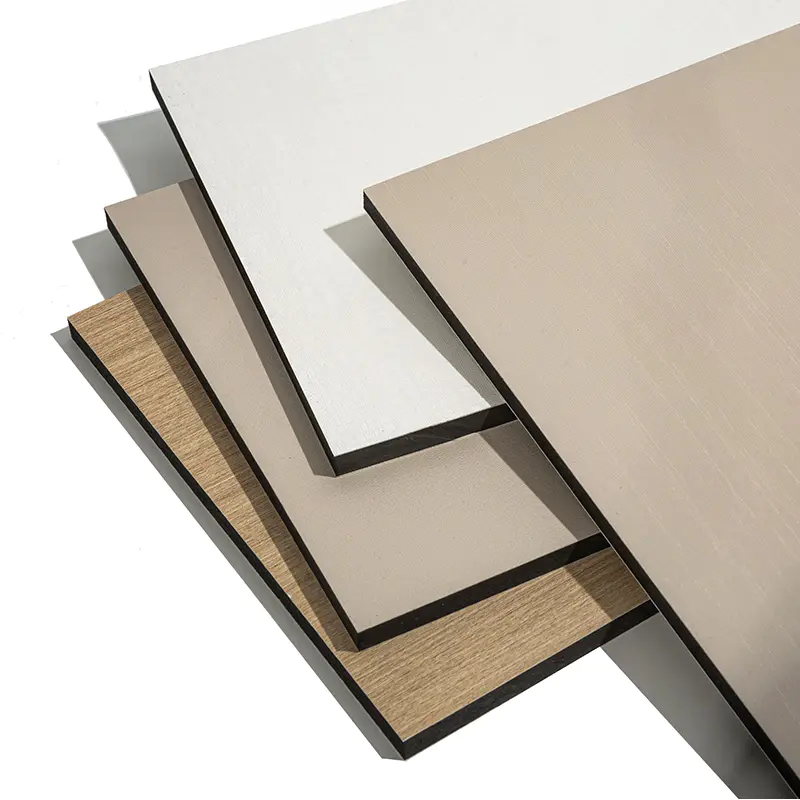 WPC Wall Panels - Moisture-Resistant & Lightweight Interior Cladding YXWPC1225-T Haining Yunxi New Material Technology Co., Ltd Offer WPC Wall Panels - Moisture-Resistant & Lightweight Interior Cladding YXWPC1225-T, We... View Product →
 Spec
Cap thickness of 0.3-0.5 mm is the practical band for coextruded decking. Below 0.3 mm, UV and scratch performance drops sharply. Above 0.5 mm, you pay for polymer that does not meaningfully improve the board.
What the Next Five Years Look Like
The period from 2026 to 2030 will split WPC decking producers into two groups: commodity hollow-board sellers and suppliers of documented, capped, low-carbon systems.
- 2026 - Cap thickness and recycled content become standard specification line items on major projects.
- 2027 - Hidden clip systems become the default across mid-range and premium decking lines.
- 2028 - Coextruded capped boards overtake hollow boards in new residential installations in North America and Northern Europe.
- 2029 - Material passport and take-back programs appear in major export markets.
- 2030 - Fully circular cores using post-consumer feedstock and bio-based binders reach commercial scale.
Projected share of capped and coextruded boards in new residential composite decking installations
Illustrative projection based on current adoption curves in North American and European markets
2024 38%
2026 52%
2028 64%
2030 73%
Bottom line: the next five years are about documented durability. Boards that carry batch traceability, emission data, and a 25-year capped warranty will win the specification battle.
Frequently Asked Questions
Will WPC decking still fade after 2026?
Hollow boards will still fade, but coextruded capped boards with UV-stable pigments hold color for 10 or more years. Specify a cap thickness of at least 0.3 mm and ask for accelerated weathering test data before approving a color.
Is solid WPC decking always better than hollow WPC decking?
No. Solid boards improve stiffness and feel, but they still rely on a single material layer that can absorb moisture and lose color. Durability comes from the cap, not the cross-section. A capped coextruded board outperforms an uncapped solid board on nearly every long-term metric.
Are future WPC decking boards fully recycled?
Most new cores use 80-90 percent recycled content by weight, combining reclaimed wood fiber with recovered polyethylene or polypropylene. Bio-based binders and post-consumer feedstock are expected to close the remaining gap by 2030.
How should I choose between PVC, composite, and capped WPC for an outdoor deck?
Match the board family to climate, budget, and service life. Capped WPC offers the best balance of cost, feel, and longevity for most regions. In extreme freeze-thaw or coastal environments, confirm water absorption, slip coefficient, and thermal expansion data on the datasheet before ordering.